


Cavities
Cavities are a chronic, degenerative disease that develop through an initial process of demineralization of the hard tissues of the teeth: enamel, dentin, and cementum.
Causes
In particular, the formation of dental cavities as a result of the action of these bacteria follows a two-stage process.
- First stage: the bacteria present in the plaque metabolise the carbohydrates within it through fermentation, leading to the production of acids.
- Second stage: the acids produced demineralise the enamel, dentine, and/or cementum of the teeth, creating a carious lesion or cavity in the crown or root of the tooth.
One of the primary bacteria responsible for cavity formation is Streptococcus mutans. This bacterium is capable of producing, from fermentable sugars – and sucrose in particular – glucans and fructans that promote the adhesion of bacteria to oral surfaces.
Plaque containing high amounts of Streptococcus mutans is highly cariogenic because it rapidly metabolizes sugars, lowering the pH below the critical value of 5.5.
The Importance of Saliva
Saliva is the mechanism through which the oral cavity defends itself against acid attacks caused by the fermentation of sugars by oral bacteria.
In particular, saliva has a buffering capacity through the secretion of bicarbonate, which helps limit, as much as possible, the drop in pH on the tooth surfaces.
If the buffering capacity of saliva is insufficient, the pH of dental plaque drops from its physiological values of 6–6.5 to values of 4–5. At pH values below 5.5, enamel begins to dissolve, and if this condition is prolonged and repeated, it may lead to enamel demineralisation.
A drop in pH into the acidic range also occurs every time we consume food or a beverage. Under conditions of good oral health, it takes approximately forty minutes for the salivary buffer effect to restore pH to physiological values.
Therefore, prolonged and repeated drops in pH throughout the day can lead to enamel demineralization and dental erosion.
Dental erosion refers to the loss of hard tooth tissue caused by the chemical dissolution of its mineral content due to intrinsic or extrinsic acids.
Intrinsic factors include conditions that cause stomach acids to flow into the oral cavity, while extrinsic factors are related to the frequent consumption of highly acidic foods or drinks, such as soft drinks, energy drinks, citrus fruits, and fruit juices.
Prevention
Cariex® is an oral spray whose active ingredient is bicarbonate – the natural buffer of saliva.
This mucoadhesive spray adheres to the mucous membranes and gradually releases bicarbonate, maintaining a safe salivary pH for over 40 minutes.
Data from a study conducted by the University of Insubria in Varese confirm that Cariex® can serve as a useful preventive tool to reduce the loss of mineral tissue caused by acid activity on tooth surfaces.
A study from the University of Insubria in Varese highlights the innovative features of a new product called Cariex®, whose active ingredient is bicarbonate, the natural buffer of saliva.
It is a preventive tool that can be used by anyone, at any age, and at any time of the day – making it ideal to carry in a bag or backpack. It combines versatility and affordability in a product based on bicarbonate and xylitol, ensuring optimal control of salivary pH after consuming meals, snacks, or drinks.
Cariex® is a product with no contraindications or side effects. It can be a valuable aid in preventing cavities in school-age children, particularly in situations where proper oral hygiene is not always possible. It can be used repeatedly throughout the day.
Further Reading
Cavities
Dental Erosion
Tooth Sensitivity
Reflux
Oral thrush
Xerostomia
Related Articles
Keep their smile protected at school, too.
From the earliest age, children spend many hours at school. From nursery through to secondary school, school is the place where...

Protected Smiles: Enjoy Your Holidays Carefree
At last, the most anticipated time of the year has arrived: the days grow longer, the temperatures rise… and with the final day...
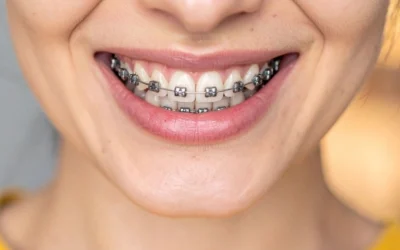
A Valuable Ally in Orthodontics
It is well known that the presence of fixed and/or removable orthodontic appliances makes plaque control more difficult, even...