In such cases, we are talking about stomatopyrosis, more commonly known as burning mouth syndrome – a chronic or recurring condition characterized by an uncomfortable burning sensation in the mouth. Inflammation can affect the entire oral cavity, including the tongue, gums, lips, inner cheeks, and palate; in some cases, it may involve the whole mouth.
This condition can develop gradually or appear suddenly. Burning mouth syndrome is more common in women over fifty, particularly during menopause or perimenopause, but men can also be affected.
It may be a symptom associated with other medical conditions, and determining the exact cause is often challenging.
An Inflamed Mouth: The Symptoms
To these may be added other symptoms, such as taste disturbances: a persistent sensation of a bitter or metallic taste in the mouth may develop, or a reduction in the sense of taste itself. Dry mouth may also occur, accompanied by increased thirst, and tingling, itching, and numbness of the mouth and tongue may also develop.
Symptoms can appear for short periods, often linked to certain foods, or persist over a longer time.
The Causes of an Inflamed Mouth
Spicy or very hot foods can cause short-term inflammation that usually resolves within minutes or a few days. Acidic foods such as kiwi, pineapple, citrus fruits, or tomatoes may irritate the mucosa. Smoking is another common factor that can negatively affect the mouth.
The situation is more delicate when burning mouth symptoms appear after consuming a food to which you may be allergic. In this case, caution is essential, as the burning sensation can be an early warning sign of a full-blown allergic reaction. Do not underestimate its seriousness!
A predisposition to gastrointestinal conditions, such as chronic gastritis or gastroesophageal reflux, can contribute to the development of this condition. Similarly, certain oral infections – such as candidiasis, herpes, or canker sores – may present with burning and dryness. This discomfort can also result from the use of certain medications; in such cases, reading the patient information leaflet may help explain its cause.
Endocrine disorders, such as diabetes or hyperthyroidism, can include burning sensations in the mouth among their symptoms. Similarly, deficiencies in certain micronutrients – like iron, zinc, and B vitamins – can affect the health of the oral mucosa.
A factor not to be underestimated is the psychological component. Stress, anxiety, and depression can have a strong psychosomatic impact, affecting overall health and even compromising oral well-being.
In some cases, unfortunately, it is not possible to identify a triggering factor. The mouth feels dry, burns, and is painful… but apparently without any reason.
When none of the conditions mentioned apply, it is referred to as primary stomatopyrosis. Some studies suggest that the root of the problem lies in altered nerve function in the mouth, including those related to taste, but the exact cause remains unknown and is still under investigation.
Burning Mouth
Avoiding known triggers – such as smoking, acidic or spicy foods, and overly hot foods – certainly helps limit the onset of symptoms. Addressing any nutritional deficiencies can also resolve the issue if these deficiencies are the underlying cause.
However, when the causes are unclear or the discomfort does not subside quickly enough, certain remedies can be applied to relieve the symptoms. Treatment depends on the severity of the symptoms, and results may not be immediate. If the burning and dryness are symptoms of another condition, or if they persist or worsen, it is advisable to consult a doctor for a thorough evaluation and treatment.
When the severity and frequency of the discomfort are limited, lidocaine-based anesthetic gels and saliva substitutes can help relieve inflammation. Traditional home remedies, such as rinsing with water and baking soda, can also provide relief, as the well-known anti-inflammatory properties of baking soda help soothe the pain.
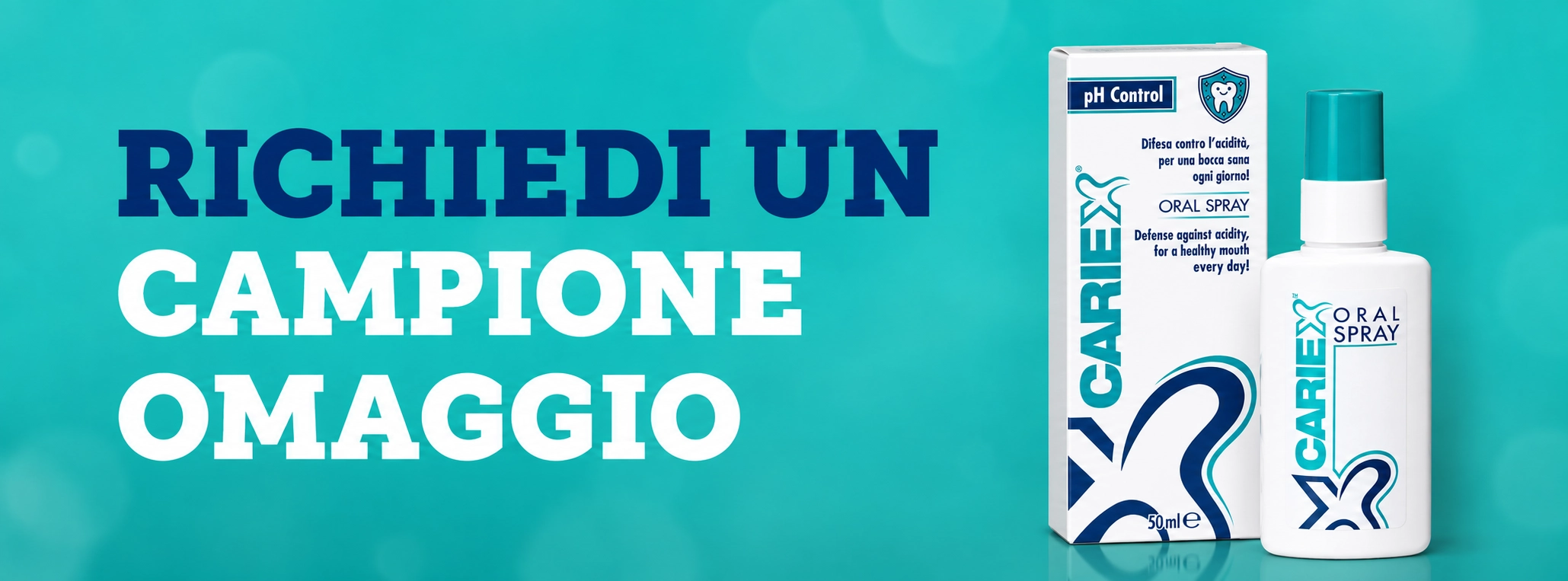
Cariex® is highly recommended for managing burning mouth syndrome. Its unique formulation, containing bicarbonate, xylitol, and hyaluronic acid, allows it to adhere easily to the mucosa, so just a few sprays are enough to… put out the fire!