Eating Well Means a Healthy, Happy Smile: Discover the Nutrition Guide for Children

Eating Well Means a Healthy, Happy Smile: Discover the Nutrition Guide for Children

We spend so much time weaning our children, teaching them to eat well, and sometimes insisting in front of a plate of vegetables they absolutely refuse to try…

As we all know, good health starts at the table – and dental health is no exception! Teaching kids healthy, balanced eating habits has a direct, positive impact on their smile.

Good oral hygiene – regular brushing, toothpaste, saliva substitutes, and flossing – is essential for keeping teeth and gums healthy. But nutrition also plays a key role. And when it comes to children, we sometimes need to be extra careful with foods that can promote cavities.

Providing the little ones in your household with a balanced diet rich in healthy foods is already an excellent starting point, as what is good for the teeth benefits the entire body. The food pyramid comes to our aid here, offering very valuable guidance on which foods to favour and which to limit.

The Food Pyramid for Children: Be Careful with Carbohydrates

Excessive consumption of carbohydrates, for example, can be harmful. Avoiding an excess of simple carbohydrates — such as the sugars found in sweets like candies, chocolate, and biscuits — is a rule known to all. However, care must also be taken with the starches found in foods such as potatoes and pasta.

In general, food residues left in the mouth (especially carbohydrates, which bacteria love) cause a drop in pH. As the environment becomes more acidic, this leads to demineralization, dental erosion, and eventually cavities.

To reduce the risk of dental problems, it’s important to limit foods that are most harmful, but above all, it’s essential to maintain careful oral hygiene after every meal and snack. This helps remove food residues and supports saliva in restoring the mouth’s neutral pH quickly.

At the Top of the List: Fruits and Vegetables

On the other hand, high-fiber foods are a parent’s best ally for keeping children’s teeth healthy. Fruits and vegetables are not just nutritious; they are a great alternative to snacks loaded with sugar or refined carbs. That said, it’s all about making the right choices: go for water-rich, high-fiber options like apples and pears, or crunchy vegetables like celery, cucumber, and tomatoes.

Be cautious of “false friends”, however: bananas, grapes, and figs are sweet and often favourites among young children, but their high sugar content can be harmful to teeth. They should not be eliminated from the diet, but it is advisable not to overindulge, and to always clean the oral cavity with a toothbrush — or alternatively, use saliva substitutes capable of rebalancing pH after consuming them.

Better to Choose Calcium-Rich Foods

Another idea for a tooth-friendly healthy snack is cheese — preferably aged. Its high calcium content, in fact, promotes dental health. Other calcium-rich foods include yogurt, fish such as salmon, mackerel, or sardines, and certain vegetables such as broccoli and rocket.

Ice cream: yes or no?

Convincing younger ones to choose the healthier option may not always be straightforward. After all, saying no to an ice cream or a slice of cake can test even an adult’s willpower! It is nonetheless important to persevere and offer healthier foods. But what should we do when the craving for something sweet becomes irresistible? Sometimes giving in to a treat may be unavoidable, and in these cases it is better to offer sweet foods as part of a meal, rather than as a snack.

After eating, the mouth contains more saliva, which makes the natural “self-cleansing” action of the oral cavity more effective. Under normal conditions, saliva takes approximately 40 minutes to restore the natural pH — which is why it needs to be “assisted” through proper oral hygiene, including toothbrushing, dental floss, and saliva substitutes.

Watch out for sugar…

Sugar hides not only in sweets and desserts – it’s often in what we drink too. While avoiding sodas and sugary drinks is relatively straightforward, we need to pay close attention to those beverages that seem healthy, like fruit juices we often give our kids. Always read the label carefully and choose products with no added sugar.

Be cautious with sticky foods as well, such as many kinds of candy (already a poor choice due to their high sugar content) or even seemingly harmless cereal bars. These foods tend to cling to the teeth, resisting saliva’s cleansing action and sometimes even a quick, not-so-thorough brushing. It’s best to brush teeth right after eating them!

…and don’t forget about snacks

Another useful indication the food pyramid can offer us concerns snacking. Not only is limiting the consumption of sweets the first rule for healthy teeth — as we have already noted — due to their sugar content: snacking too frequently, without brushing immediately afterwards, prevents saliva from performing its role of rebalancing oral pH to its full potential.

This leads to bacterial growth which, over time, causes plaque, enamel and dentin erosion, and eventually cavities. It’s better to stick to just a couple of snacks per day – one mid-morning and one mid-afternoon – and always remember to clean teeth right afterward.

Educating our children towards a healthy diet may seem challenging, as giving up sugar-rich foods is no small feat — especially when they spend so much time at school and are exposed to the temptation of snacks and sweets away from home. We can, however, provide them with healthy and balanced meals, and lead by example with thorough oral hygiene every time we eat: in this way, we will instil a set of good habits. And the beaming smiles of our little ones will thank us for it!

Oral Health? Watch Out for Frequent Snacking

Oral Health? Watch Out for Frequent Snacking

Eat Healthy, Live Better.

A balanced diet is important not only for overall health but also for maintaining oral health. Proper nutrition and good oral hygiene help prevent many dental problems.

However, it’s important to pay attention to what and how often you eat.

Many dietary plans, especially for children, recommend snacks between meals to maintain energy for concentration, exercise, and daily activities.

However, snacks high in chocolate and sugar, often promoted in supermarkets and advertisements, are not healthy for the body or the teeth. They are usually low in nutrients but high in sugar and fat, increasing the risk of overweight and cavities.

Snacks like fresh fruit or raw vegetables, on the other hand, are safe for teeth and provide valuable nutrients for the metabolism. It is better to choose nuts (walnuts, almonds, etc.), fresh fruit, dairy products (cheese, yogurt), or whole-grain items, which supply enough energy to keep hunger at bay until the next meal. Pair them with water or unsweetened tea, avoiding sugary or carbonated drinks.

Equally important is the number and frequency of snacks. Frequent snacking prevents saliva from fully performing its buffering function, leaving the oral pH acidic for longer periods. This prolonged exposure of enamel to demineralization increases the risk of dental erosion and cavities. Acid-loving bacteria also proliferate more, contributing to many oral health problems.

A few sprays of Cariex® Dental Spray every time you eat help maintain a stable oral pH, keeping your mouth and teeth healthy over time – especially when brushing isn’t possible.

Protected Smiles: Enjoy Your Holidays Carefree

Protected Smiles: Enjoy Your Holidays Carefree

At last, the most anticipated time of the year has arrived: the days grow longer, the temperatures rise… and with the final day of school, our children welcome the start of summer vacation.

After months spent bent over books or following their teachers’ guidance, the long‑awaited freedom of summer is a moment of pure joy for the little ones. Ahead of them stretch endless weeks filled with play, exploration, and family holidays.

This slower pace naturally brings a more relaxed attitude toward rules. Bedtimes get later, ice cream becomes a more frequent treat – and teeth can feel the effects.

The daily routine gives way to the pleasant novelty of a week at the beach, a mountain retreat, or a visit to a city of art or a European capital. Nothing quite like a trip — with all its excitement and new experiences — can positively turn our children’s world upside down. It is up to us as parents to guide them in maintaining healthy smiles even when we set off towards our summer holiday destination. Let us never forget: younger teeth need a little extra care!

Good Habits Don’t Take a Holiday

The schedule may be packed, and the inclination to enforce the rules may wane now that we can finally relax — but maintaining the oral hygiene routine we have taught our children to follow at home is the first step towards keeping their teeth healthy on holiday too. Encouraging younger ones to adopt a healthy habit may take weeks of effort, but just one week of laziness can undo all the progress made. The number one rule for every parent, therefore, must be to set the tone for the holiday with consistency: whether we are at the beach or in the mountains, after every meal — everyone brushes their teeth!

A Suitcase… Holiday-Proof Smile Guaranteed

Swimsuit or hiking boots? Packed. Sun cream? Packed. But in our children’s luggage, we must also make sure to leave room for an oral hygiene kit. Pay particular attention to the toothbrush: make sure to use a perforated plastic toothbrush cover. Ventilation allows the bristles to stay dry, limiting bacterial growth.

The kit must also include the other essential elements for keeping teeth in top condition: toothpaste, dental floss, mouthwash, and saliva substitute sprays. On holiday, it is common to eat out or snack during a walk without having the immediate opportunity to brush, as we have taught our children to do. To deal with these pleasant predicaments, it can be very useful to carry a saliva substitute — it allows oral pH to be buffered after eating, limiting the proliferation of the bacteria that cause cavities and buying us the time we need to reach a toothbrush.

If we prefer to travel light — whether due to airline restrictions or because we have an on-the-go holiday planned — it is useful to choose oral hygiene products in travel-sized packaging, or to decant the desired amount into reusable containers.

A Healthy Diet

The summer holidays are the perfect time to indulge in a few treats. Whether it is an ice cream snack after a day at the beach or a slice of cake at a mountain lodge, our children are never more exposed to continuous temptations than when we are on holiday.
Limiting sugar intake is always rule number one for keeping teeth healthy. A little indulgence is fine, but whenever possible we should encourage kids to choose healthier options, such as fresh fruit snacks.

Hydration First and Foremost

It is the fundamental rule for staying healthy, but in the heat of the summer months it becomes even more important not to forget to stay adequately hydrated. Dehydration also affects oral health, causing a reduction in saliva production and therefore a greater susceptibility of the mouth to attack by harmful microorganisms.

Long train or plane journeys to reach holiday destinations can tempt our children to quench their thirst with less suitable drinks: it is always better to avoid consuming sweet and carbonated beverages, which are often acidic and consistently harmful to dental health.

Finally, on a sunny afternoon the temptation to quench one’s thirst with an ice-cold drink is irresistible. Ice, however, is no friend to teeth — it can damage enamel and cause painful reactions in those who are particularly sensitive. Using a straw helps limit this type of damage, although it is always preferable to consume beverages that are not excessively cold.

A Dental Check‑Up Before You Go

The weeks before departure are the ideal time for a dental check-up: let us suggest to our children that they schedule their periodic visit shortly before the holiday, so that they can head into their well-deserved days of rest with teeth and gums in top condition. Nobody wants to risk a cavity on the beach, after all!

Oral Hygiene Across the Ages

Oral Hygiene Across the Ages

We are often presented with numerous recommendations regarding a balanced diet suited to different stages of life, yet it is rarely discussed how to adjust one’s Diet to support proper Oral Hygiene at various points throughout life.

0–5 YEARS – EARLY CHILDHOOD
For infants, a gauze pad is essential. Even in very young babies, the bacteria responsible for plaque formation develop and proliferate due to residues of milk or baby food. After each feeding, it is advisable to gently wipe the baby’s gums with a gauze pad dampened with water.
In early infancy (0–2 years), it is recommended to avoid juices or sugary drinks from a bottle, particularly during the night, and to introduce children to toothbrushing from the very beginning.
In the later toddler years (2–5 years), it is important not to overindulge children with sweets, snacks, and sugary beverages, in order to prevent the premature loss of milk teeth — which can lead to misalignment of the permanent teeth as they grow.

6–18 YEARS – ADOLESCENCE
As children grow and become more independent in their eating habits, it is important to guide them towards limiting between-meal snacks and maintaining proper oral hygiene — particularly for those wearing orthodontic appliances. Especially during the teenage years, it is advisable to limit the consumption of carbonated drinks, which are a leading cause of dental erosion and cavities.

18–65 YEARS – ADULTHOOD
In adulthood, people tend to be considerably more aware of the principles of good oral hygiene, yet hectic lifestyles and eating away from home often take over. Avoiding frequent snacking, highly acidic foods, and brushing regularly are undoubtedly among the key principles of a sound oral diet — essential for preventing many of the most common dental conditions and premature ageing of the teeth.

OVER 65 YEARS – OLDER ADULTHOOD
At this stage, the oral cavity reflects the cumulative effects of all the conditions developed throughout one’s lifetime. Older individuals may have more sensitive gums, have lost some teeth, and experience reduced salivation — making it all the more important to adapt one’s oral diet to their specific condition and to undergo more frequent dental check-ups.

Cariex® dental spray, which controls oral pH, is suitable for every age: in early childhood to counteract oral thrush and facilitate oral hygiene in young ones; in adolescence for between-meal snacks and those wearing orthodontic appliances; in adulthood to prevent cavities and erosion and maintain a youthful smile; and in older adults to relieve the symptoms of xerostomia and gum-related issues. Cariex® is always particularly recommended when brushing is not possible and before bedtime.

Wine: Friend and Foe of Your Teeth

Wine: Friend and Foe of Your Teeth

Wine, with its strong pigments and natural acidity, isn’t exactly a loyal friend to our teeth. White wine, in particular, is highly acidic, with a pH between 3 and 4, and can significantly contribute to the demineralization of dental tissues. This makes the tooth surface more porous – and therefore more vulnerable to the bacteria that cause cavities, to acidic substances that intensify dental erosion, and to the chromogenic compounds found in wine itself or in the foods you eat afterward.
 
So drinking wine frequently – especially between meals – can cause permanent damage to the enamel and significantly increase tooth sensitivity. In addition to wine’s acidity, there’s also the astringent effect of certain polyphenols, such as tannins, and the dehydrating action of alcohol, which contributes to dry mouth.
 
But not all wine is out to get us. Fortunately, its drawbacks come with a few noteworthy benefits. Wine – red wine in particular – has a remarkable bactericidal effect against Streptococcus species. It also inhibits their ability to adhere to tooth enamel, which in turn reduces the risk of cavities. Some studies even suggest that wine drinkers show a lower incidence of gingivitis and periodontal disease.

The Secrets to a Healthy Aperitivo

We all know that aperitivo time isn’t exactly diet-friendly – but it is universally loved. So what should you choose if you want to enjoy it without neglecting your oral health? Opt for red wine, unsweetened juices, or low-sugar long drinks. Pair them with black olives, cheese, salmon, anchovies, walnuts, or fresh crudités. Then finish with a bit of cheese – an excellent calcium-rich “antidote” that helps remineralize dental tissues.
 
A few sprays of Cariex® right after a glass of wine immediately raise the pH level, helping prevent cavities, dental erosion, and tooth staining.
 
ASK FOR IT AT YOUR PHARMACY!
A Valuable Ally in Orthodontics

A Valuable Ally in Orthodontics

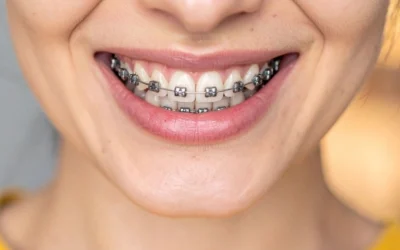
It is well known that the presence of fixed and/or removable orthodontic appliances makes plaque control more difficult, even for highly motivated patients. According to numerous studies, nearly all orthodontic patients develop gingival inflammation.
 
One of the most common side effects of fixed orthodontic treatment is the formation of carious lesions, usually appearing around the bracket attachments. These lesions often present as “white spots”, but in more severe cases, they can progress to full cavities.
 
Demineralization around brackets is also frequently observed due to inadequate oral hygiene, which leads to plaque and tartar accumulation. In orthodontic patients, plaque levels are typically 2-3 times higher than in healthy adults. Additionally, a decrease in salivary pH and an increase in Streptococcus Mutans and Lactobacillus levels have been reported – both bacteria that promote cavity formation.
 
Cariex®, a dental spray, is therefore essential for all patients with fixed or removable braces, as it helps maintain a neutral oral pH, counteracting cavity formation and bacterial proliferation. It is recommended for use after every meal and especially in the evening after oral hygiene and before bedtime, since salivary flow naturally decreases at night, leading to a drop in pH and increased acidity.