Our mouth is an incredible ecosystem that is home to a vast number of microorganisms — some beneficial, others potentially harmful. When all is well, our body is able to maintain a balance among these “residents”, preventing the more harmful ones from proliferating. Sometimes, however, things do not go as they should: following other illnesses, nutritional deficiencies, the use of certain medications, or when our immune system is under strain, this balance can be disrupted. In such cases, our mouth becomes the site of infections and disease.
Mouth Ulcers and Oral Thrush: Causes and Symptoms
Mouth ulcers and oral candidiasis are among the most common diseases of the oral cavity. The former are familiar to all: they are troublesome, round or oval blisters of a whitish colour, surrounded by a ring of reddened and inflamed tissue that can cause considerable pain. They typically develop on the inner surface of the lips or on the tongue, but may also appear on the inner cheeks or the gums.
It is often not straightforward to identify the trigger behind the appearance of a mouth ulcer. A characteristic factor that can lead to the development of this troublesome inflammation is stress, and women tend to be affected more frequently than men. The consumption of certain foods (too hot, spicy, or crunchy, as well as foods to which one is allergic), smoking, alcoholic beverages, or the use of overly aggressive mouthwashes can also irritate the oral mucosa. Finally, certain systemic diseases — those involving the entire body — as well as the use of specific medications such as antibiotics or corticosteroids, which can lower immune defences, may make the mouth more susceptible to ulcers and infections.
Oral candidiasis, on the other hand, is an infection triggered by the excessive proliferation of a fungus already naturally present in our body: Candida albicans. This type of infection is characterised by white patches on the tongue, cheeks, and palate; it is most prevalent in children and infants — where it is known as “oral thrush” — but can also affect adults.
These conditions may require medical attention, with a doctor prescribing specific treatments (antibacterial, antifungal, or anti‑inflammatory medications) to relieve discomfort and resolve the problem.
While professional consultation is essential for effective therapy, nature and good daily habits can also provide valuable support in managing stomatitis and promoting healing.
Healthy Habits
First and foremost, it’s important to stay away from the usual “bad habits” that can damage the oral mucosa. Smoking is one of the main causes of chronic inflammation in the mouth, which, over time, can lead to more serious diseases.
Alcoholic beverages, in addition to dehydrating the oral mucosa and making it more prone to ulcers and sores, are also rich in sugars – the favorite “food” of Candida.
The key to overcoming Candida is maintaining the correct pH balance in the oral cavity.
Harmful microorganisms, such as Candida albicans, thrive in an acidic environment, while a neutral pH creates conditions that are unfavorable for their growth.
Here saliva plays a crucial role: it acts as a powerful buffer, capable of restoring the mouth’s pH to neutrality within just a few minutes after consuming foods and drinks that tend to acidify it.
For this reason, it is essential not to neglect daily oral hygiene: brushing after every meal facilitates the return to neutrality and allows the removal of food residues on which these microorganisms could feed.
Make sure to schedule regular check-up appointments with your dentist: thorough cleaning is the foundation of a healthy mouth, and periodic check-ups can help monitor the state of oral health and identify any issues before they become debilitating.
Healthy Eating
Nutrition plays a key role in oral health. Candida, for example, thrives on sugar-rich foods and carbohydrates in general. Limiting their consumption can help restore the natural balance in which the microorganism lives, making recovery easier and faster.
But that’s not all! A balanced diet rich in vitamins and fiber benefits the entire body. Careful, though – not to overdo fruit and fruit juices: they contain fructose, a type of sugar.
A stronger immune system is our first line of defense against inflammation. Mouth ulcers can even be an early sign of vitamin deficiencies. If you suspect this, consult your doctor or a nutritionist.
Consuming probiotic‑rich products, such as yogurt or fermented drinks, can also support intestinal flora. When “good bacteria” are healthy, they help maintain balance and fight the spread of harmful microorganisms, such as Candida or the bacteria responsible for ulcers.
Support from Nature
Should diet alone prove insufficient to meet our body’s needs, we can turn to the use of supplements. Zinc-based supplements in particular can prove very helpful in reducing the incidence of mouth ulcers, also speeding up their recovery.
Inflamed mucous membranes need to be soothed. Here, good old natural remedies can also help bring relief from the burning sensation of oral candidiasis and mouth ulcers: a simple solution of water and salt, or water and bicarbonate, can help alleviate the pain and accelerate the healing process. Furthermore, these solutions can make the oral ecosystem less… welcoming for the microorganisms responsible for infections.
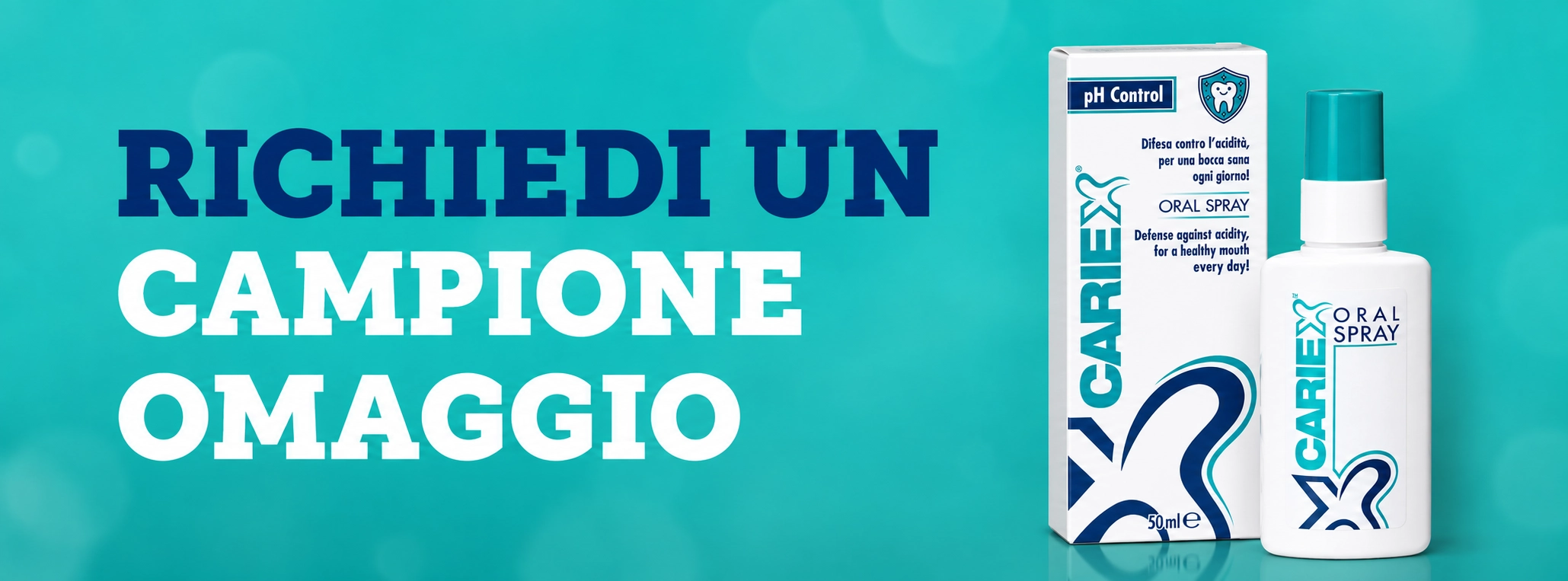
Cariex®, with its formulation based on bicarbonate, xylitol, and hyaluronic acid — naturally present in the mucous membranes — intervenes to strengthen the effectiveness of saliva in maintaining a healthy mouth. Thanks to its rapid action, Cariex® immediately restores oral pH, reducing acidity and making the environment inhospitable to the growth of potentially harmful microorganisms.
Its action lasts for approximately forty minutes, giving the mouth time to regulate pH and “covering” the time window required for the natural buffering mechanisms to take effect. The spray formulation of Cariex® — convenient to administer even in younger patients — also creates a protective film within the oral cavity. Its natural ingredients act on inflammation, alleviating it and providing immediate relief.