What Is Xerostomia, or "Dry Mouth"?
But saliva is far more than a simple lubricant: in the absence of its antibacterial activity — attributable to its unique composition — and its capacity to buffer oral pH, the oral environment may become increasingly acidic. This can have a negative impact on both hard tissues, namely the teeth, and soft tissues, namely the gums and oral mucosa.
When the pH becomes acidic, teeth can begin to demineralize, weakening and becoming sensitive to hot, cold, and bacterial attacks.
The oral mucosa, in turn, suffers from the acidic oral environment, as this condition promotes the proliferation of microorganisms. The first effect of this disproportionate growth is bad breath — but it is not the only one: without adequate saliva production, it becomes far easier to develop cavities, gum inflammation, and mucosal disorders, up to and including fungal infections such as oral candidiasis. Conversely, a neutral oral cavity is a healthy oral cavity, where microorganisms struggle to thrive.
Causes of Dry Mouth
The most common and intuitive cause is dehydration. If you are not drinking enough fluids, consume excessive amounts of coffee (which has a diuretic effect), or engage in prolonged intense physical activity, you may need to increase your fluid intake to restore proper hydration.
Xerostomia can also appear as a secondary symptom of various medical conditions, from diabetes and leukemia to AIDS and Sjögren’s syndrome.
Certain medications can also cause dry mouth as a side effect. For example, some chemotherapy drugs – especially those used to treat head and neck cancers – can damage or destroy the salivary glands. Even more common medications, such as antihistamines or anti-inflammatories, can dry out oral mucosa; in these cases, the condition usually resolves after the treatment ends.
Poor nutrition can also affect oral lubrication. In particular, some people experience xerostomia due to vitamin deficiencies. Even if the salivary glands are functioning normally, the mucosa can still feel dry and irritated.
Natural Remedies for Dry Mouth
Xerostomia can be highly distressing. If the condition begins to affect your quality of life, do not hesitate to consult your doctor. Do not overlook this condition, however: you certainly do not want to put the health of your mouth and teeth at risk!
With a few simple adjustments, it is nonetheless possible to improve the situation: sometimes reviewing our everyday habits is sufficient to find relief, and there are numerous natural remedies available to you.
- The first is… drink more! Water is the best ally in combating the dehydration that so often lies at the root of dry mouth. Always carrying a small bottle of water and remembering to sip it throughout the day helps turn the act of drinking into a healthy habit. However, avoid overindulging in sugary, carbonated, or highly acidic beverages (soft drinks or orange juice): sugar “feeds” the bacteria in our mouth, and the acidic component worsens the sensation of dryness. When saliva is not produced in sufficient quantities to balance oral pH and counteract microorganisms, still water is always the better choice.
- Diet can contribute to reducing the discomfort caused by xerostomia. Do not neglect adequate intake of fruit and vegetables throughout daily meals, both to supplement fluid intake and to obtain the vitamins that our entire body — oral cavity included — requires. Vitamin C in particular is highly beneficial in helping to repair the damage caused by excessive mucosal dryness. B vitamins, on the other hand, are at the forefront of strengthening the immune system and helping to combat the microorganisms that may proliferate in the mouth.
- Spices like cayenne pepper can stimulate salivary glands when sprinkled on food or directly on the tongue.
- Fennel seeds, rich in flavonoids, and cardamom, in addition to promoting lubrication of the oral cavity, help combat bad breath. You can try adding them to your dishes, chewing them between meals, or steeping them to prepare a herbal infusion to sip — adding the further benefit of increased fluid intake!
- Avoid harmful habits. Smoking and alcohol consumption are major contributors to dry mouth.
- Immediate relief can also come from rinsing with alcohol-free mouthwashes or using products designed to repair oral tissues, neutralize acidity, and refresh a mouth affected by xerostomia.
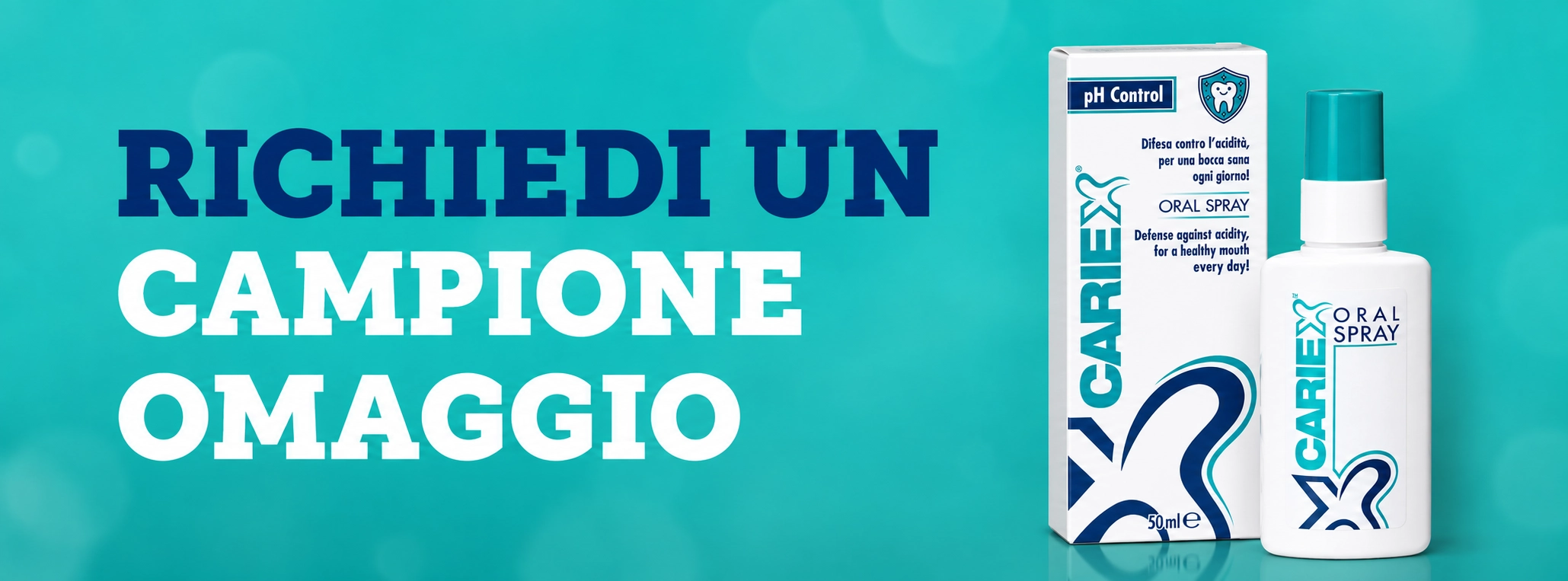
Cariex® in particular, thanks to its composition closely resembling that of saliva, the powerful buffering capacity of its bicarbonate content, and its rapid action, is a valuable ally in moisturising the oral cavity — immediately alleviating the discomfort caused by xerostomia — and in promptly restoring oral pH. In this way, beyond instant relief, we can also address the medium and long-term damage caused by oral acidity associated with xerostomia.