The end of the holidays, the return to school, and the change of season are all factors that can trigger stress — and with it, an unwelcome visitor: oral thrush, also known as oral candidiasis.
Candida albicans, the microorganism responsible for this infection, is naturally present in our mouth, on our skin, and on our mucous membranes. Under normal conditions, our body is able to maintain a balance that prevents Candida from proliferating.
Stress, changes in lifestyle, and certain illnesses are among the many factors that can disrupt this balance, leading to an overgrowth of this unwanted organism and the consequent development of oral thrush.
Oral Thrush: What Is It?
Oral thrush is a fungal infection particularly prevalent in children and infants. However, it can affect anyone, with the most vulnerable age groups being infants under six months and the elderly, due to an immune system that may not function optimally. Additionally, individuals in these age groups may experience suboptimal saliva production. The salivary glands simply do not produce enough; in the absence of an adequate quantity of saliva, the buffering capacity it exerts within the oral cavity may be compromised. As a result, the mouth frequently finds itself in an acidic pH state: in addition to damaging and demineralising teeth, this condition creates the perfect environment for the proliferation of harmful microorganisms… including Candida albicans!
A correct oral pH is the first line of defence against fungal infections such as oral thrush.
Symptoms and Diagnosis
The symptoms of oral thrush are usually unmistakable. The unequivocal sign of an ongoing infection is the presence of whitish patches in the oral cavity — on the inner lining of the cheeks, the palate, the gums, and the tongue. In the case of very young infants who are still breastfed, there is a risk of confusing these small patches with milk residue: take care not to scrape them off! The removal of oral thrush plaques can in fact be painful and lead to bleeding, thereby worsening the sensation of discomfort.
In severe cases, the infection can spread beyond the back of the throat, causing pain and difficulty swallowing.
While oral thrush is not inherently dangerous, it should be treated promptly and carefully to prevent it from spreading to other parts of the body.
The diagnosis of oral thrush is usually straightforward. A dentist or general practitioner is able to identify the presence of the infection through a quick examination of the oral cavity. On occasion, however, it may be necessary to take a small sample from one of the patches for further laboratory testing, in order to dispel any remaining doubt.
Prevention
Although oral thrush is common, it can be prevented through simple practices aimed at maintaining oral health and preserving the balance of the oral microbiome. These habits are also helpful during an active infection, as they can support faster recovery.
Good oral hygiene is essential to prevent many oral infections, including candidiasis. Brushing three times a day and using dental floss correctly should become daily habits. Brushing after every meal removes food residues and promptly restores oral pH to a neutral level, preventing the growth of harmful microorganisms.
Scheduling regular check-ups with your dentist is also important, even when teeth are healthy: professional cleaning should be carried out every six months. However, care should be taken with the products used: certain oral hygiene products, such as aggressive mouthwashes containing alcohol or antibacterial agents, should be used judiciously. Excessive frequency of use can in fact damage the health of the oral mucosa, potentially leading to the development of infections — both bacterial and fungal — such as oral candidiasis.
Oral health reflects overall body health. Conditions such as diabetes can disrupt the body’s microbial balance, which may increase susceptibility to oral thrush. Managing these underlying health issues is important for maintaining a healthy mouth.
Treatment
Oral thrush is treatable, and in otherwise healthy individuals, it usually responds well to therapy. In patients with compromised immune systems – such as those with HIV or undergoing certain cancer treatments – the infection may be more challenging to eliminate.
A healthcare professional should be consulted to prescribe the appropriate antifungal medication, typically taken for several days up to a couple of weeks.
Diet plays a primary role in the management of oral thrush. Candida is a fungus that thrives by feeding on sugars. A diet low in sweets — as well as in particularly sugary fruits — with a limited intake of simple carbohydrates, can help reduce the proliferation of the microorganism and promote faster recovery. When returning to school, therefore, it is best to opt for healthy snacks. No chocolate, sweets, or packaged snack foods. Wholegrain products and fibre are the way to go, and for fruit, an apple — preferably green — is the ideal choice.
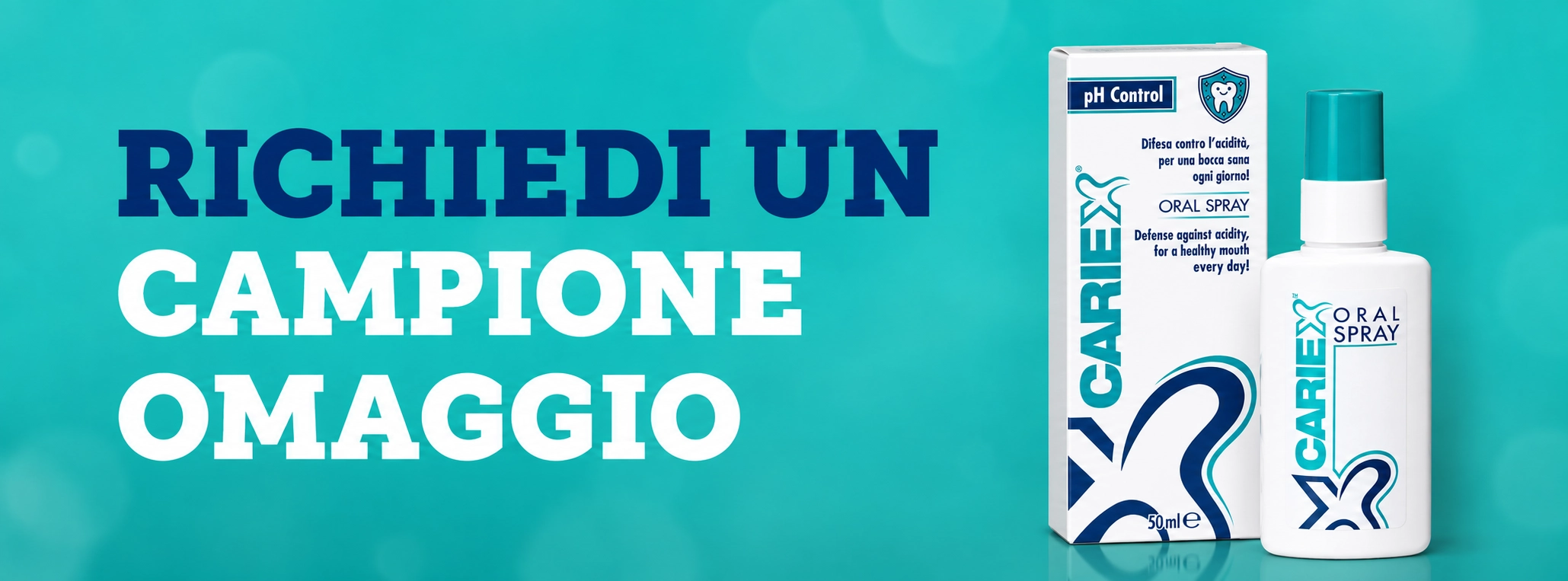
Alongside pharmacological therapy, it is also possible — always following consultation with your doctor — to turn to certain therapeutic supplements to alleviate discomfort and reduce distress. Proper oral hygiene is the foundation of every healthy mouth, and Cariex® is a valuable addition to facilitate recovery from oral thrush. Just a few sprays of this dental spray are sufficient to rapidly restore a neutral oral pH, limiting the growth of Candida; its formulation is specifically designed to adhere to the oral mucosa and provide immediate relief, even in very young children.