A sensation of a sticky mouth may occur in the morning upon waking, during the day, or after talking for a long time. The tongue may feel dry, saliva may seem thicker, and the mouth may feel less fresh, sometimes accompanied by thirst, bad breath, or a change in taste.
It is a common and often temporary condition, but when it occurs frequently, it can be helpful to understand what causes it.
A sticky mouth may be associated with dry mouth or reduced saliva production, but it does not necessarily indicate true hyposalivation. Xerostomia, in fact, describes the subjective sensation of a dry mouth, while the amount of saliva produced may be normal or actually reduced.
What causes that dry, sticky-mouth feeling? More than you might think
There can be many causes, and often multiple factors are at play at the same time.
Some of the most common situations include:
- drink only a little throughout the day;
- breathing with your mouth open, especially while sleeping;
- very dry environments;
- smoking and alcohol consumption;
- certain medications;
- stress and anxiety;
- decreased saliva production;
- certain systemic conditions;
- treatments that can affect the function of the salivary glands.
Numerous medications can also cause xerostomia or alterations in salivary function. A systematic review identified drugs belonging to numerous categories, particularly those that affect the nervous, cardiovascular, respiratory, and genitourinary systems.
If the symptom appeared after you started treatment, it is important not to stop taking the medication on your own but to talk to your doctor about it.
A Sticky Mouth in the Morning: Why Does It Happen?
This is probably one of the times when the condition is most commonly felt.
Saliva production naturally decreases during sleep. If this is combined with breathing through an open mouth—for example, due to nasal congestion or snoring—the tongue and mucous membranes may feel particularly dry upon waking.
Even insufficient hydration throughout the day can make the sensation worse.
If this happens mainly right after waking up, you can also look into the possible causes of dry mouth at night.
Are a dry mouth and low saliva production the same thing?
Saliva is a complex fluid that helps lubricate the mucous membranes, aids in chewing and swallowing, facilitates the perception of flavors, clears food debris, and maintains the balance of the oral environment.
When saliva flow is actually reduced, the condition is called hyposalivation. Xerostomia, on the other hand, is the subjective sensation of a dry mouth.
A person may therefore experience a dry, sticky mouth even without necessarily having a significant reduction in saliva production.
If this sensation is frequent or persistent, it may be helpful to explore the topic of xerostomia and reduced saliva production.
Why is saliva important for oral health?
When saliva production decreases significantly, the consequences can go beyond just a feeling of dryness.
Saliva helps protect the teeth and mucous membranes and maintain a balanced oral microbiota. Significant changes in salivary function may be associated with an increased risk of tooth decay, mucosal disorders, and fungal infections.
In particular, a systematic review and meta-analysis foundan association between xerostomia/hyposalivation and an increased likelihood of Candida colonization and oral candidiasis, although it also highlighted some heterogeneity among the studies.
This does not mean that occasionally having a dry mouth automatically causes these problems: the risk is primarily associated with persistent dry mouth or a significant reduction in saliva.
What should you do when your mouth feels sticky?
When the problem occurs only occasionally, a few simple habits can help.
Drink regularly
It’s better to spread out your water intake throughout the day rather than drinking large amounts only when you feel thirsty.
Practicing Good Oral Hygiene
Proper oral hygiene—using a toothbrush, toothpaste, and interdental cleaning—helps keep the mouth clean even when saliva production is reduced.
Limit smoking and alcohol consumption
They can contribute to a feeling of dryness and further irritate the mucous membranes.
Pay attention to your breathing at night
If a dry, sticky mouth occurs mainly in the morning and is accompanied by snoring or mouth breathing, it may be helpful to identify the cause.
Avoid self-medication
If you suspect that your dryness is caused by a medication, talk to your doctor or pharmacist without changing the dosage or treatment on your own.
Cariex® as a remedy for a dry or sticky mouth
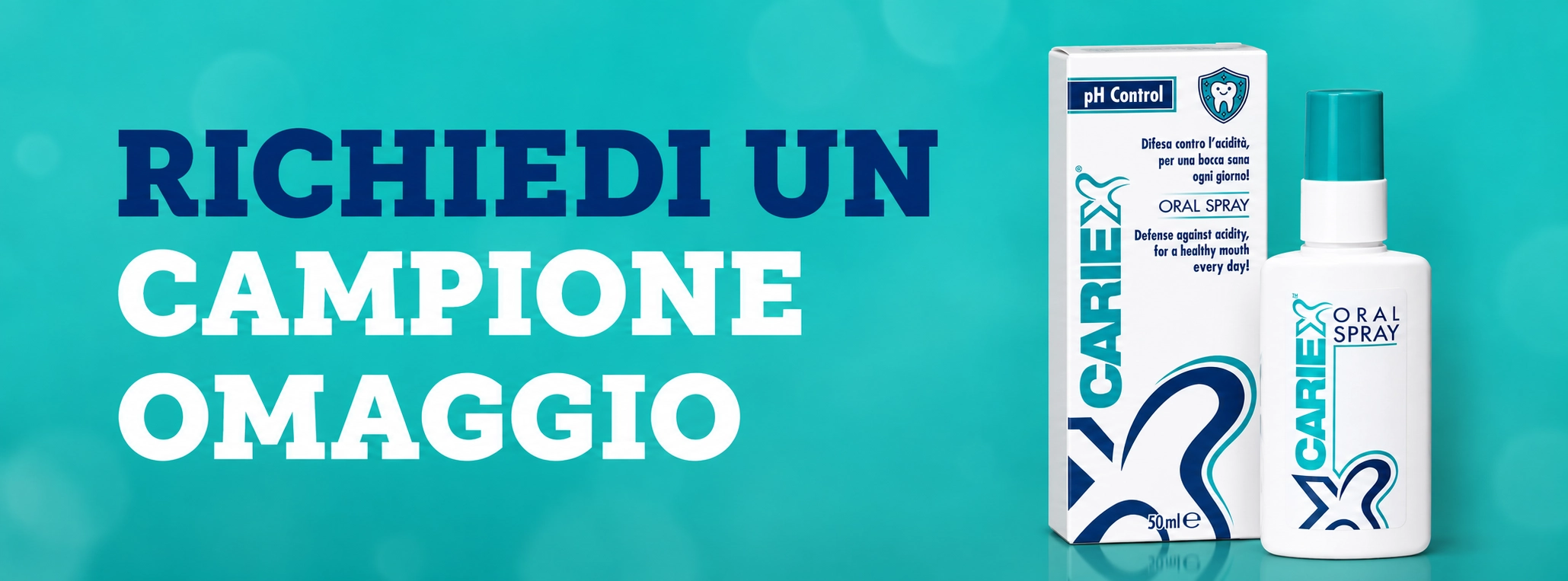
Cariex® is a CE-marked medical device in the form of a mucoadhesive spray, formulated with sodium bicarbonate, xylitol, and hyaluronic acid. It can be incorporated into your daily routine whenever your mouth feels particularly dry or uncomfortable, helping to restore oral pH balance and promote mucosal comfort.
The effect of Cariex® on salivary pH was studied in 50 healthy adults: following glucose exposure, application of the spray significantly reduced the duration during which salivary pH remained below 6.
View the study on PubMed
Cariex® has also been studied in patients with Sjögren’s syndrome, a condition frequently associated with dry mouth. In the exploratory study, the groups using the spray showed a statistically significant improvement in salivary flow; however, the authors emphasize the need for larger studies.
View the study on PubMed
When Should You See a Professional?
Occasional aphasia is generally a temporary condition.
However, it is advisable to discuss this with your doctor, dentist, or dental hygienist when:
- I experience this sensation almost every day;
- it also appears at night;
- is associated with difficulty speaking, eating, or swallowing;
- there is persistent burning or pain;
- Tooth decay or changes in the mucous membranes frequently occur;
- there are persistent white patches;
- The problem began after starting a new course of medication.
Understanding the cause makes it possible to distinguish between a simple episode of dryness and true xerostomia or hyposalivation, and to choose the most appropriate treatment strategy.