When the salivary glands don’t function properly, they may produce too little saliva to keep the mouth comfortably hydrated. When this happens, we’re dealing with a condition known as xerostomia, or dry mouth.
There are many possible causes – ranging from certain medications, to issues directly affecting the salivary glands, to a number of underlying medical conditions.
It’s not a problem to overlook. Beyond being uncomfortable and making everyday activities such as speaking or eating more difficult, saliva plays a crucial role in maintaining oral health. It helps limit bacterial growth, clears away food particles that brushing may miss, and neutralizes acids produced by bacteria. In doing so, it stabilizes the mouth’s pH balance and protects both teeth and gums. When saliva is lacking, the entire oral cavity can be affected.
Xerostomia can impact overall well-being to varying degrees. In mild cases, it is mostly an annoyance – unpleasant but manageable. If ignored or particularly severe, however, it can affect not only oral health but also general health, reducing appetite and making chewing more difficult.
Dry Mouth Symptoms
The symptoms of dry mouth are numerous, yet generally easy to recognize. They may be constant or come and go, and some can be more persistent than others.
One of the most noticeable signs – true to its name – is the feeling of dryness and poor lubrication inside the mouth. Because saliva is produced in insufficient amounts, it may appear unusually thick or sticky.
Other common symptoms include difficulty chewing and swallowing, a hoarse voice, and a dry sensation extending to the throat. Since saliva plays an important role in how we perceive flavors, dry mouth – especially when it affects the tongue – can also lead to changes in taste perception.
A reduction in saliva can also encourage bacterial overgrowth, which may result in halitosis, or bad breath.
Dry mouth is more common in women, who naturally tend to produce slightly less saliva than men and may notice symptoms worsening during menopause.
If these symptoms are persistent or seem to be worsening, it’s important to consult your doctor.
Causes of Dry Mouth and Throat
Dry mouth occurs when the salivary glands don’t produce enough saliva to keep the oral cavity properly hydrated. This can happen for many different reasons.
To begin with, a gradual decline in saliva production is a normal part of aging. In women, menopause and the related hormonal changes can affect saliva secretion, but older men also frequently experience xerostomia.
Many medications list dry mouth among their side effects. Some are commonly used, such as painkillers, antihistamines, and decongestants. Chemotherapy drugs may also cause xerostomia; in most cases, this effect is temporary and resolves once treatment ends.
Certain medical conditions – including Alzheimer’s disease, arthritis, diabetes, and oral candidiasis – can further contribute to dry mouth. Smoking and alcohol consumption are additional factors that can intensify the sensation of dryness.
The Best Remedies for Dry Mouth
Maintaining proper hydration is one of the most effective ways to prevent your mouth from drying out. Drinking plenty of water – while avoiding sugary and carbonated beverages – should be part of your daily routine. It can also help to keep indoor environments adequately humidified and to breathe through your nose rather than your mouth.
Limiting or, ideally, eliminating alcohol and tobacco is beneficial. Caffeine intake should also be reduced, as it can dry out the mucous membranes.
Certain foods, such as lemon juice and ginger, naturally stimulate saliva production and can encourage the salivary glands to work more effectively.
If dryness has already developed, several strategies can help ease discomfort. Using alcohol-free mouthwashes can keep the oral cavity clean without irritating the tissues.
Saliva substitutes containing xylitol can also provide relief, helping the mucosa stay hydrated when the glands aren’t producing enough saliva.
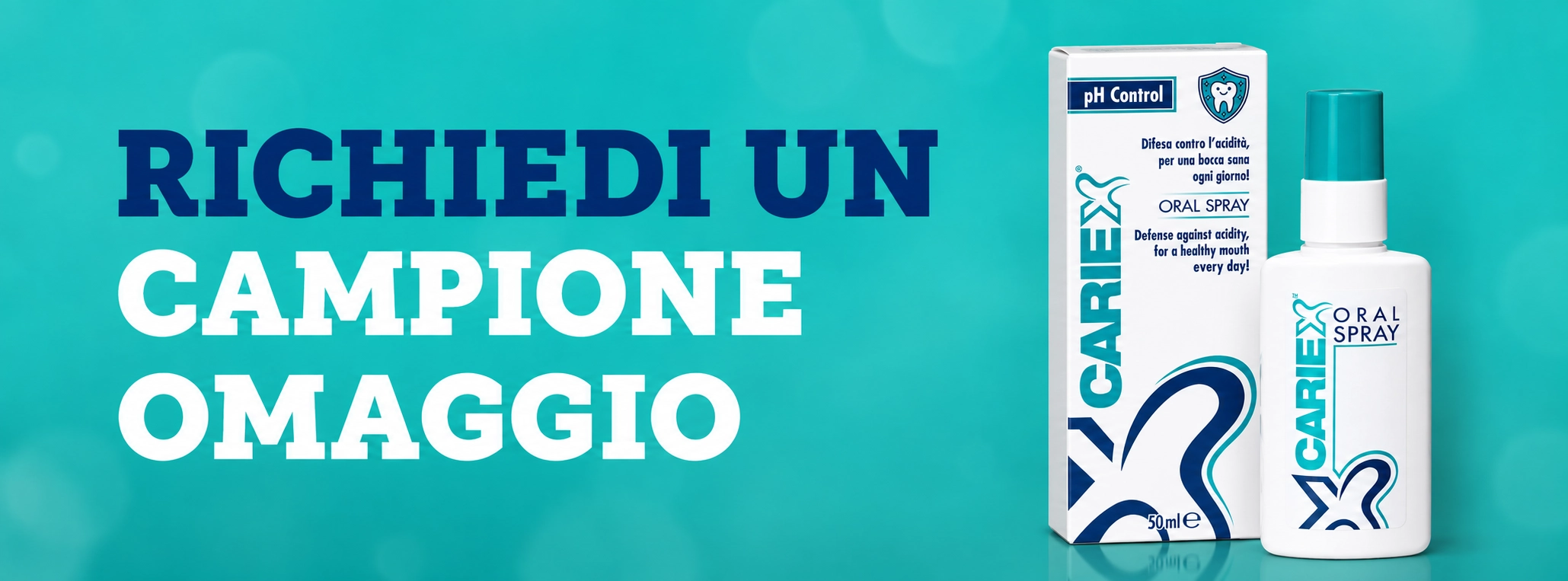
Cariex® is a valuable ally in restoring the proper hydration of the oral cavity when dry mouth has already developed, and in rebalancing pH. Its formulation based on bicarbonate, xylitol, and other natural ingredients — such as hyaluronic acid, naturally present in our cells — combined with its spray format and a consistency specifically designed to adhere to the oral mucosa, makes it ideal for moisturising dry mouth, helping to maintain oral health and limiting the onset of cavities and gum disorders.