Dry mouth, also known as xerostomia, can range from a mild, temporary reduction in saliva – often triggered by stress or nervousness – to more complex conditions that compromise oral health, affecting both teeth and gums.
Dry mouth is often a symptom of various conditions that affect the salivary glands, altering their ability to produce saliva. Although no direct link between reduced saliva and aging has been firmly established, there is a clear connection between certain medications and decreased salivary flow in older adults.
Several diseases, including Sjögren’s syndrome, diabetes, and rheumatoid arthritis, are also associated with xerostomia. Additionally, dry mouth is commonly observed in individuals undergoing chemotherapy or radiotherapy. In particular, radiotherapy in the head and neck region can temporarily or permanently impair salivary gland function, reducing saliva production and making it thicker.
Some medications used in cancer treatment can also cause dry mouth, including drugs for nausea, certain pain medications, and various psychotropic drugs.
Dry Mouth: An Effective Remedy
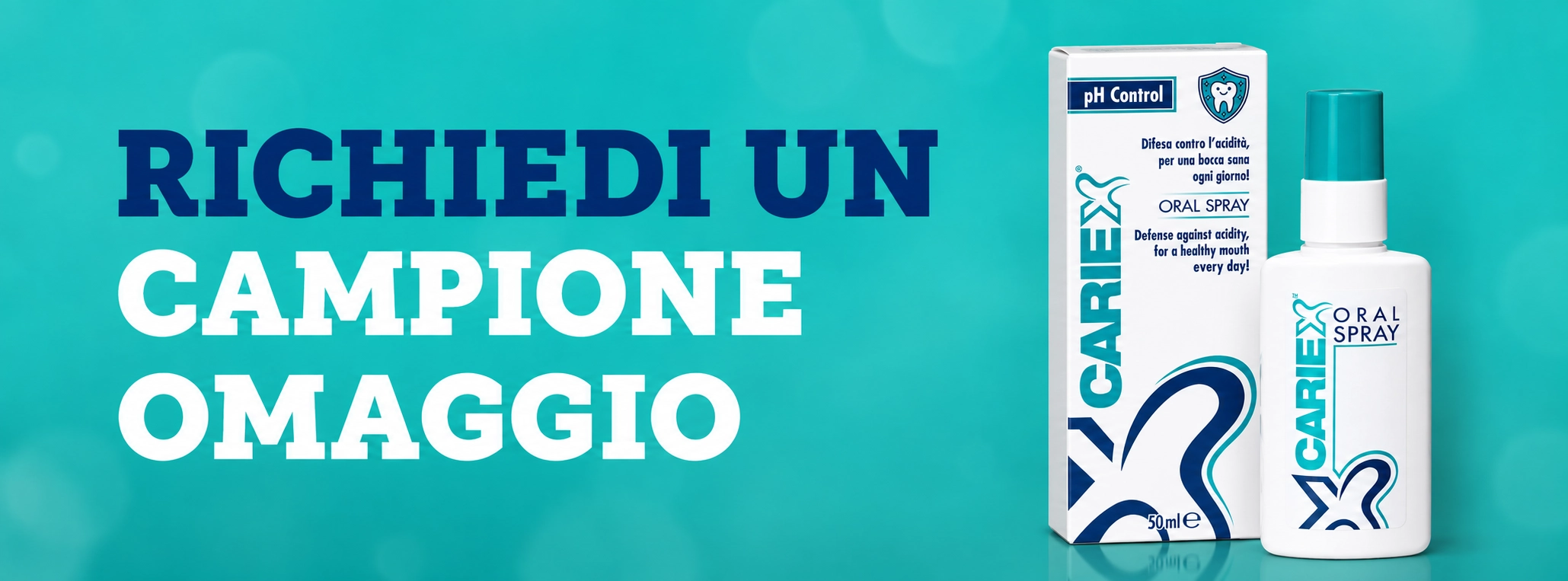
Cariex® can be used repeatedly throughout the day and at night by spraying it onto the oral mucosa, with no known contraindications or side effects. It also helps prevent issues such as oral fungal infections (candidiasis) and bad breath, and by controlling acidity, it reduces the risk of cavities – particularly common in individuals with reduced saliva flow.
Cariex® serves as an effective saliva substitute and is easy to use: just three sprays whenever dryness is felt and after each meal.