Saliva plays a very important role in the health of the oral cavity. It is a fluid rich in enzymes, electrolytes, and many other chemical compounds, produced by the salivary glands located in the mouth. Saliva also contains mucus, which serves to keep the oral mucosa lubricated.
Under normal conditions, saliva has a pH value of approximately 6 to 7, making it a neutral solution. Saliva contains bicarbonate — a critically important substance for its “buffering” role, through which oral pH is restored to neutral levels after meals. This process takes approximately forty minutes. However, if the pH of the mouth is not regulated and drops into the acidic range, this may serve as an early warning signal. This situation can occur, for example, when insufficient saliva is produced, as in the case of Xerostomia, or dry mouth.
If the pH falls below 5.5, it reaches the tolerance threshold of tooth enamel. At this point, the enamel can no longer withstand the acidity and begins to break down and demineralize. If this condition persists, it can become a serious oral health emergency, putting teeth at significant risk and potentially requiring urgent dental care.
Acidity is not only a threat to teeth. Soft tissues, such as gums and oral mucosa, can also be affected by an unfavorable pH. An acidic oral environment creates the perfect breeding ground for harmful microorganisms, which can lead to conditions like tooth decay or oral thrush. Conversely, a neutral environment helps prevent their growth. This is why maintaining the proper pH is so important.
Fortunately, oral acidity is usually easy to detect and can be managed with a few simple precautions.
But what causes the mouth to become more acidic? What effects does this pH change have on the oral cavity? And how can this condition be identified and treated?
Acidic Oral Environment: Causes
One of the most common causes — and fortunately one of the easiest to address — is diet. The consumption of acidic foods can rapidly alter oral pH. Some examples? Carbonated beverages (which, in addition to being acidic, contain high levels of simple sugars harmful to oral health), certain fruits such as citrus, and alcoholic drinks such as white wine are just some of the foods that can cause an imbalance in oral pH.
But there’s more. The mouth is home to a rich and diverse bacterial flora, normally kept under control by our immune system and, importantly, by proper oral hygiene. However, a diet high in sugar – especially simple sugars – can tip the balance. Oral bacteria feed on carbohydrates like sugars and, in the process, produce acidic byproducts (such as butyric, lactic, and aspartic acids). Frequent consumption of sweets, for instance, provides a feast for these microorganisms, which can lower the pH of the mouth.
Age can also play a role in pH imbalance. Young children and older adults naturally produce less saliva, making these age groups more susceptible to oral infections, such as oral thrush.
Symptoms and Health Risks of an Acidic Oral Environment
One of the first signs of an altered oral pH is bad breath, or halitosis. This indicates an overgrowth of harmful bacteria in the mouth, which may sometimes appear as a coating on the tongue.
If oral acidity persists for an extended period, or if pH levels are particularly low — and therefore highly acidic — tooth enamel may begin to deteriorate. The first symptom we often encounter is dental sensitivity, to both cold and heat. What does this mean? The enamel has become thin and demineralised, and in some areas has worn away entirely, leaving the tooth without its primary protective barrier.
The next step — painful and familiar to many — is tooth decay. The tooth has become vulnerable to bacteria , developing lesions that can grow if not treated promptly and may become increasingly troublesome, with potentially serious consequences such as tooth loss or the formation of an abscess.
Acidity is synonymous with microbial growth. The gums and oral mucosa can therefore fall prey to bacteria or fungi, such as Candida albicans, which thrive in a low-pH environment.
How to Restore Saliva to an Optimal pH?
Under normal conditions, following the peak of acidity around mealtimes, saliva is capable of spontaneously restoring neutral pH within approximately forty minutes. The first fundamental step in promoting the correct oral pH is oral hygiene. Brushing after every meal — without neglecting dental floss — removes food residues that could facilitate bacterial proliferation, supporting saliva in its buffering role.
Diet can also come to our aid. When our parents told us as children not to overdo it with sweets… they were right! Limiting the consumption of sugary foods and beverages helps keep under control the bacteria that could otherwise proliferate in the oral cavity.
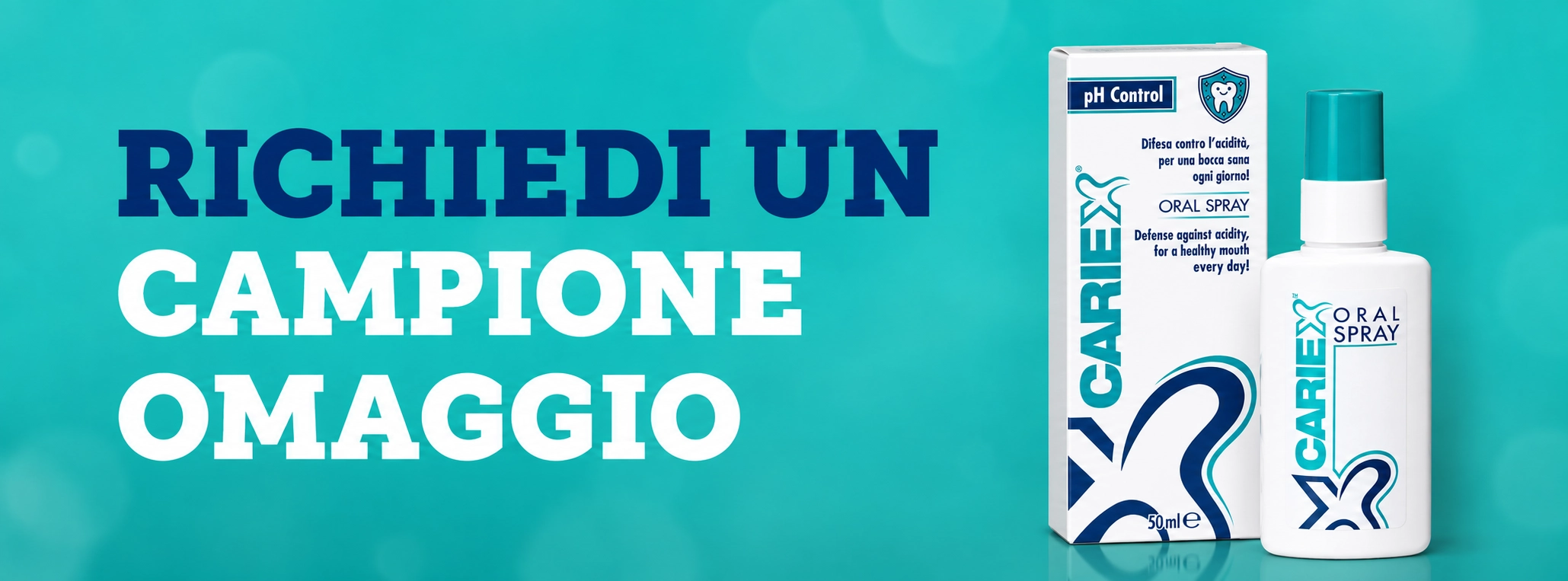
Cariex® is a valuable ally in neutralising oral pH, preventing enamel erosion and the onset of cavities and infections. This dental spray adheres to the oral mucosa thanks to its unique consistency, slowly releasing bicarbonate which buffers the acidity of the oral cavity.
Every time we eat or drink, oral pH changes; in a healthy individual, it normally takes forty minutes for pH to return to a neutral value. Cariex® is capable of performing this very same function, restoring the correct oral pH until the physiological action of saliva takes over. Its formulation as a convenient spray makes it particularly suited for use even during the most hectic days: just a few sprays are all it takes to keep your mouth healthy.