Saliva is a constant companion in our daily lives, yet it can happen that the glands responsible for its production fail to function properly, or that particular physical conditions render oral hydration insufficient.
So, what can you do in these cases? Let’s explore what saliva is and how to manage situations when the body doesn’t produce enough of it.
What Is Saliva
Together, these components work in synergy to carry out the many functions of saliva. But what exactly does saliva do? Here are its main roles:
Protection for the Mouth and Teeth: thanks to its content of minerals and especially bicarbonate, saliva acts as a natural antacid, reducing the buildup of bacterial plaque on the teeth and thereby lowering the risk of cavities. More broadly, it helps create an environment unfavorable to the growth of microorganisms on the mucosa, contributing to the protection of overall health.
Swallowing and Digestion: as the saying goes, digestion begins in the mouth, thanks to the enzymes present in saliva. The combined action of chewing and saliva forms the food bolus, making it easier to swallow. Saliva’s lubricating effect also softens even the hardest foods, reducing the risk of scratches and injuries to the oral mucosa.
The Sense of Taste: saliva plays a crucial role in accurately perceiving flavors, as its liquid consistency helps disperse flavor molecules and make them accessible to the taste buds.
What Happens When Saliva Isn’t Enough?
It does not take much to end up with insufficient saliva: an inadequate fluid intake or the consumption of foods too high in salt can lead to dehydration, which in turn results in xerostomia. The natural ageing process — with its tendency towards reduced fluid intake and diminished salivary gland function — can also lead to this condition. And a simple cold with nasal congestion will cause us to sleep with our mouth open… with inevitable consequences for the oral mucosa!
Many medications list dry mouth as a side effect, from common ones like antihistamines, corticosteroids, and blood pressure medications to more intensive treatments such as chemotherapy and radiotherapy.
Xerostomia can also be a symptom of systemic diseases such as diabetes, Parkinson’s disease, or lupus, as well as conditions localized to the mouth, like oral candidiasis or Sjogren’s syndrome.
Artificial Saliva: A Remedy for a Well-Hydrated Mouth
Oral hygiene deserves special attention: brushing your teeth after each meal and opting for alcohol-free mouthwashes are key steps.
However, when the salivary glands don’t cooperate, artificial saliva can come to the rescue. Unlike stimulants, this product doesn’t increase natural saliva production; instead, it replaces the functions of natural saliva, acting as a lubricant, hydrator, and protector of oral health. Its ingredients are strictly natural, designed to closely mimic the structure of saliva itself.
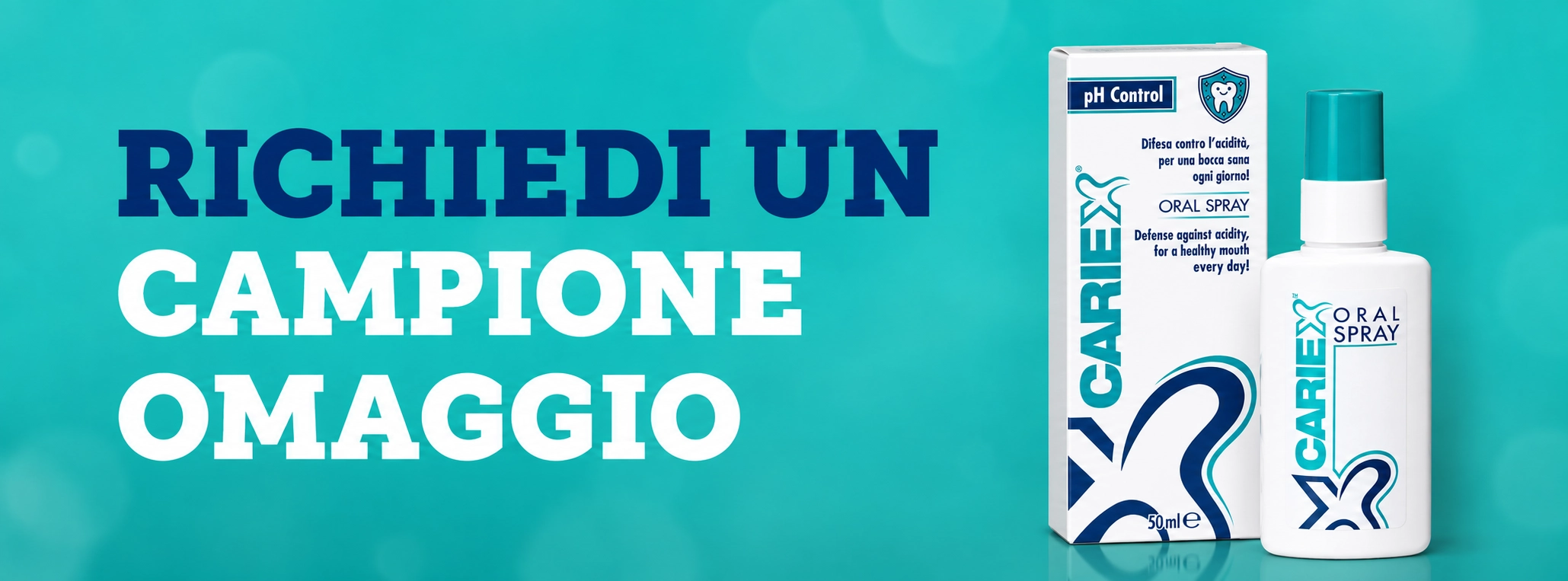
Artificial saliva is available in various forms, including Cariex®, a spray that provides immediate relief for dry mouth or mucosal discomfort, such as oral thrush – especially helpful for children. Just a few sprays, a handful of seconds, and the discomfort finally eases.